Board Space in Gumball Tycoon
Treat every plot slot like premium real estate in the buy → melt → merge loop.
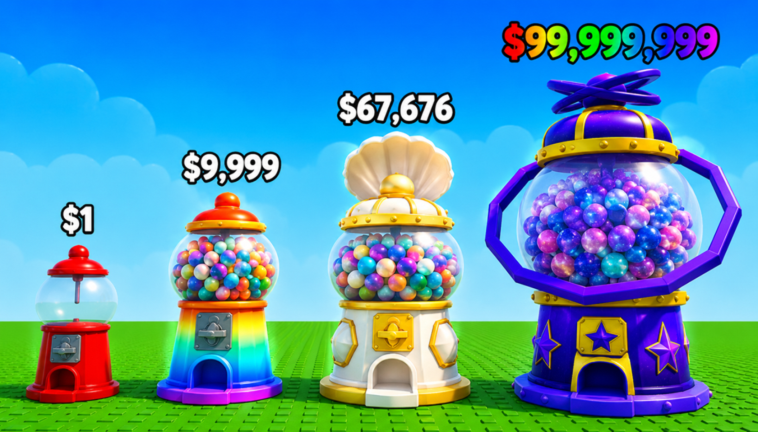
In Gumball Tycoon, plot space is a resource equal to cash. The Roblox merge tycoon by I love sugar! lets you buy gumball machines, produce candy, melt for money, and merge into stronger tiers—but only if those machines have room to work. A full board of weak producers looks impressive and earns poorly. This guide teaches income-per-slot thinking, when to sell or replace clutter, layout habits that keep merges obvious, and mid-game board audits that unlock faster climbs. Pair it with how to merge, make money fast, and the machines tier list.
Why board space decides your income
Every machine occupies a slot. Weak tiers still consume walking paths, camera attention, and decision time. Strong tiers raise candy flow without needing a museum of starters. Think in income per slot, not machine count. Two merged keepers often beat six random low tiers that cannot pair. Players who ignore space hit a soft wall where every buy feels expensive and every merge feels blocked. That wall is usually clutter, not bad luck.
Servers hold about five players, so your plot is the whole economy you control. Nobody else will tidy it for you. Favorites near 26.5K and visits in the millions mean lots of public tips exist—filter them through slot math before you copy layouts.
Income-per-slot in plain language
Ask three questions before any purchase:
- Does this machine feed a planned merge chain?
- Will the result earn more than the average machine already on my board?
- Am I about to block a lane I need for melts?
If the answers are no, wait. Cash sitting in your wallet is more flexible than a dead machine glued to the plot. The spending tempo in make money fast assumes you leave buffer and leave space.
When to merge clutter away
Merging is the primary space-recovery tool. Matching pairs convert quantity into quality and free tiles at the same time. Merge immediately when:
- Duplicates are clogging lanes
- The result ranks well on the tier list or machines page
- Melting already feels capped by weak producers
- You need two free slots for the next intentional buys
Delay a merge only when you are one cheap purchase from a better planned pair or when combining would delete your last stable income during a drought. Detailed timing lives in how to merge.
When to sell, replace, or retire machines
Not every weak machine deserves a merge future. Retire or replace when:
- The tier is obsolete relative to your current average income
- You cannot reasonably buy its duplicate soon
- It blocks melt paths or camera sweeps
- It exists only because of an impulse buy after a code redeem
Replacement is healthier than nostalgia. Keep a short “keeper list” from the machines tier list and treat everything else as temporary fuel.
Layout habits that scale
Cluster identical tiers
Place matching machines near each other so pairs are obvious under pressure. Scattered duplicates cause missed merges and accidental buys.
Keep a melt lane
Leave a walking corridor to melt and collect interactions. Fancy walls of machines that trap you cost real session time, especially on mobile.
Front-load producers you watch
Put active income machines where your default camera lands. Hide retired experiments at the edge only if you still plan to pair them soon—otherwise replace them.
Avoid trophy museums
Decorative rows of outdated tiers steal slots from the next chain. Screenshot the board, then delete vanity placements that fail the income-per-slot test.
Mid-game board audit (10 minutes)
Run this audit whenever growth stalls:
- Melt pass — Convert every ready gumball so cash numbers are honest.
- Pair scan — Merge every safe matching pair using how to merge rules.
- Keeper sort — Mark machines that match current tier list priorities.
- Clutter cut — Replace or retire machines that fail slot math.
- Path check — Confirm you can walk melts without parkour.
- Plan the next two buys — Name the target tier before opening the shop.
- Optional code fuel — If you redeem from codes, spend into that plan only.
Write the results in a note if you play long sessions. The players hub covers stamina and multiplayer habits that pair well with audits.
Early vs mid-game space goals
| Stage | Space goal | Failure sign |
|---|---|---|
| First 15 minutes | Few working machines + clear melt path | Buying every button |
| Early merges | Clusters of identical low tiers | Scattered duplicates |
| Mid game | High income density, few weak leftovers | Full board, slow wallet |
| Continuous | Audit after each patch or long break | Copying outdated layouts |
After patches, skim updates before rebuilding a layout that used to work. Economy tweaks can change which tiers deserve permanent slots.
Common board-space failures
- Treating empty tiles as a problem that must be filled instantly
- Saving every machine “just in case” until nothing can merge
- Spending code rewards on unpairable one-offs
- Ignoring melts while rearranging furniture-style placements
- Copying Factory Tycoon factory lines that do not apply here (see common mistakes)
Practice drill
- Start a session with a full melt.
- Count machines and estimate which half earn the least.
- Merge or replace that bottom half within ten minutes.
- Buy only toward one named tier.
- Compare cash after fifteen minutes against your previous cluttered board.
Repeat until freeing a slot feels as satisfying as a big purchase. That mindset shift is the real upgrade.
Related pages
- How to Merge — primary space recovery tool
- Make Money Fast — tempo that respects buffers and slots
- Tier List Hub — what deserves permanent space
- Machines Tier List — keeper rankings
- Common Mistakes — clutter and impulse-buy traps
- Players — session habits on small servers
- Guides Hub — full tutorial map
Board space mastery turns Gumball Tycoon from a crowded candy shelf into a deliberate merge workshop. Protect slots, cluster pairs, audit often, and let income per tile—not machine count—decide what stays.
Frequently Asked Questions
Quick answers for melts, merges, and codes.
Why does board space matter in Gumball Tycoon?
Every machine uses a limited plot slot. Higher income per slot beats a crowded field of weak producers that cannot merge cleanly.
Should I fill every empty tile?
No. Empty space is fine if your active machines earn well. Buy only toward planned merge chains.
How often should I audit my board?
Whenever growth stalls, after a long break, or after patches. A ten-minute melt, merge, and clutter cut usually restores tempo.
What is the fastest way to free slots?
Merge matching pairs first, then retire obsolete tiers that will not climb. Spend new cash only on the next named target.